If you’ve ever found yourself wondering what the cost of eating out in the Canary Islands really looks like, you’re not alone. It’s one of the first questions people ask when they’re thinking about moving here, staying long term, or even planning a few weeks in the sun.
And the honest answer? It depends on where you go, what you order and how local you’re willing to be.
Still, there are some clear patterns worth knowing, especially if you want good food without feeling like you’ve been mugged by a menu.
What You Actually Pay at Restaurants in the Canary Islands
Let’s get straight to the numbers, because that’s what most people want.
Prices vary a lot between resort areas and more local towns, but these rough averages hold up pretty well:
- Coffee: 1.20 to 1.50 euros (tourist areas can hit 2 euros)
- Beer: 1.50 to 3 euros depending on location
- Main meals (local cafés or smaller restaurants): 8 to 12 euros
- Main meals (tourist hotspots): 15 to 20 euros
- Three-course set menu (local “menu del día”): usually 10 to 14 euros
- Cocktails in resort bars: 7 to 12 euros
The big thing to notice is how much the area changes the price. A simple paella can be 12 euros in a small Spanish-run place, then jump to 20 euros around the corner if it’s aimed at tourists. Same dish, same island, different crowd.
It’s one of those quirks you don’t notice until you’ve lived here a while.
Where You Eat Makes All the Difference
When people ask about the cost of eating out in the Canary Islands, they’re usually really asking, “Why does everything seem cheap one minute and pricey the next?”
Here’s the simple breakdown.
Local towns keep things reasonable
Head into neighbourhoods like La Laguna, Adeje town, Arona pueblo or La Orotava and you’ll get:
- Better prices
- Larger portions
- More authentic food
- A proper Spanish dining atmosphere
You’ll find places run by families, not corporations, and chefs who genuinely care about the food rather than relying on foot traffic alone. My rule of thumb? If you see a chalkboard menu outside, a few locals already eating and no one trying to drag you in from the street, you’re probably in the right spot.
Tourist zones push prices up
Nothing wrong with eating in resorts – sometimes you want the convenience – but expect to pay extra for the location. Rent is higher, competition is different and menus are designed for short-stay visitors who aren’t comparing week to week.
It’s the same with beachfront restaurants. Half the price is for the view.
What Influences Restaurant Prices Across the Canaries
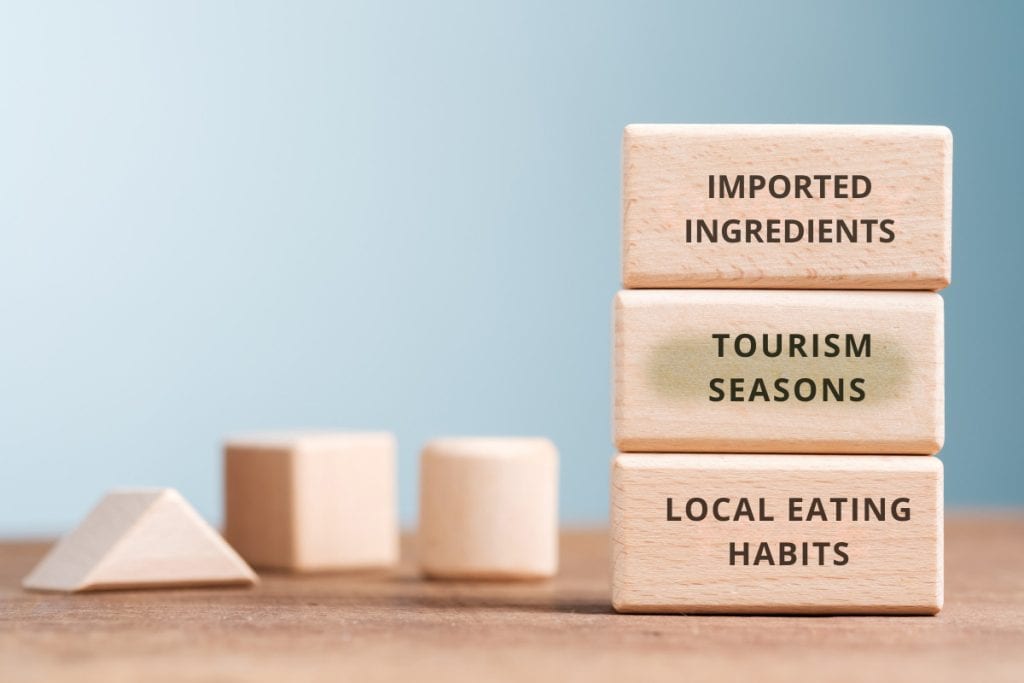
A few things quietly affect prices here, and they’re worth knowing because they help explain the differences island to island.
1. Imported ingredients
The Canaries rely heavily on imports. Fresh berries? Imported. Beef? Usually imported. Anything “speciality”? Imported.
The islands are far from the mainland, and that adds cost. If something on the menu seems a bit dear, there’s usually a logistical reason behind it.
2. Tourism seasons
High season often brings small increases in prices, especially for seafood, steaks and cocktails. Not dramatic, but you’ll notice it more in places with big footfall.
3. Local eating habits
Lunch is a bigger deal than dinner for many locals. That’s why the “menu del día” offers such good value. It’s aimed at working people who need a proper meal without spending a fortune.
If you’re trying to eat well on a budget, going out for lunch instead of dinner can save you a surprising amount.
How to Eat Well Without Overspending
A few simple tips can make a big difference, especially if you’re here for more than a week or two.
- Pick restaurants a street or two back from the main tourist strips
- Try at least one local “menu del día” each week
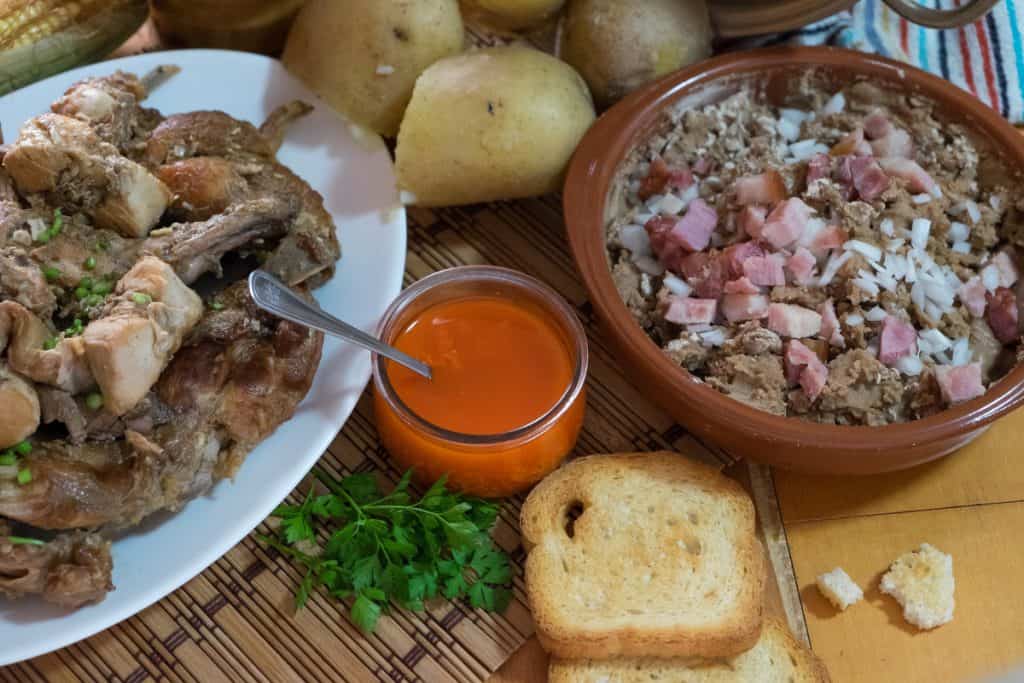
- Look out for Canarian dishes like ropa vieja, conejo en salmorejo or cherne – usually better priced than imported meals
- Follow the locals, not the advertising boards
- Ask for the house wine – it’s often Canarian and surprisingly good value
You don’t have to “hunt for cheap food” to save money here. You just need to know where locals actually eat.
So, What’s the Real Cost?

So, what’s the real cost? The cost of eating out in the Canary Islands is still far more reasonable than most European holiday destinations. Yes, some areas lean on tourist-friendly pricing, but the islands offer some incredible food at fair prices if you’re willing to explore a little.
One night you might pay 20 euros for a sunset dinner on the seafront. Another night you’ll get a brilliant three-course lunch for half that in a tucked-away café. That mix is part of living here. It’s also part of the charm.
If you want a head start on finding good local places, you can always browse the restaurant listings on Taste the Canaries and see what’s near you.
And if you’re curious about the wider food culture across the islands, the official Canary Islands Tourism Board has a great overview of local gastronomy, which is worth a look before you start exploring.

Leave a Reply
You must be logged in to post a comment.