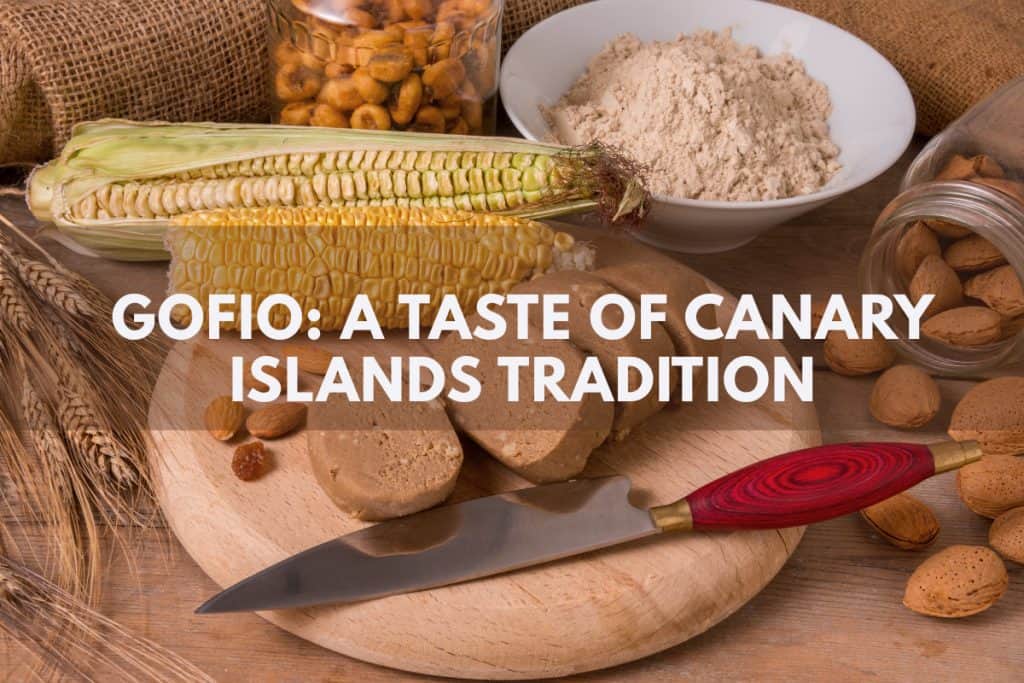
Walk into any Canarian kitchen and you’ll likely spot a bag of gofio tucked somewhere near the flour. It’s humble, it’s versatile, and it’s been part of Canary Island cuisine for centuries. But what exactly is it, and why does it hold such a special place in local culture?
Let’s take a look at the fascinating story of this traditional food that’s still very much alive today.
What is Gofio?
At its simplest, gofio is a toasted grain flour, usually made from wheat or maize (corn). It’s not raw flour – the grains are roasted before milling, giving gofio its nutty aroma and slightly smoky taste.
In the Canaries, it’s often stirred into milk for breakfast, used to thicken stews, or served alongside fish and mojo. Some even sprinkle it over bananas or honey for a quick energy boost.
It’s one of those foods that seems simple but carries deep history and meaning.
The Ancient Roots of Gofio in the Canary Islands
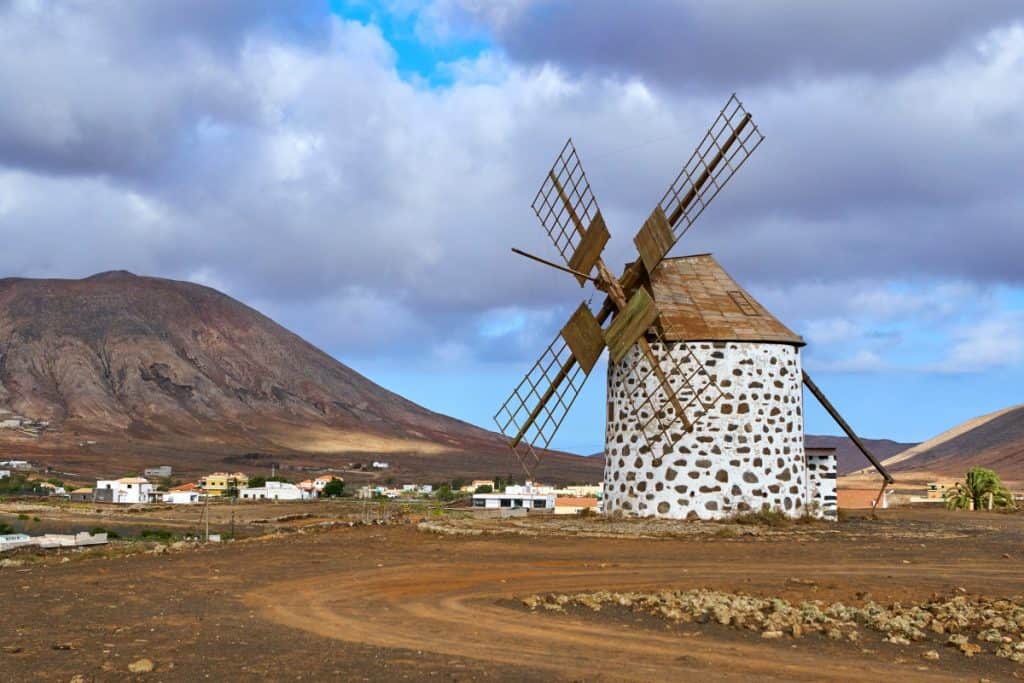
Long before the Spanish conquest in the 15th century, the Guanche people – the original inhabitants of the islands – were already making a roasted barley meal that’s recognised today as gofio. It was their staple food, easy to carry and store, and packed with nutrition.
For centuries, this humble flour kept generations going through famines, harsh harvests, and long voyages. When the Spanish arrived, gofio didn’t disappear – it adapted. Over time, wheat and maize replaced barley in some islands, and each island developed its own flavour profile and traditions.
That’s the beauty of gofio: every bag tells a little story of local heritage.
Gofio’s Place in Modern Canary Island Cuisine
Even with supermarkets full of imported products, gofio has never lost its place in the Canarian diet. In fact, it’s seeing a quiet revival thanks to a renewed interest in traditional foods and sustainable, local ingredients.
Today, you’ll find gofio in:
- Papas con gofio – potatoes mashed with gofio and olive oil
- Escaldón de gofio – a hearty mix of fish stock, onions, and gofio, often served in tapas bars
- Gofio mousse or ice cream – proof that local chefs are turning old flavours into modern creations
- Breakfast blends – mixed into milk or smoothies for a quick, nutritious start
Ask any local and they’ll tell you: gofio isn’t just food, it’s identity.
The Nutritional Power of Gofio
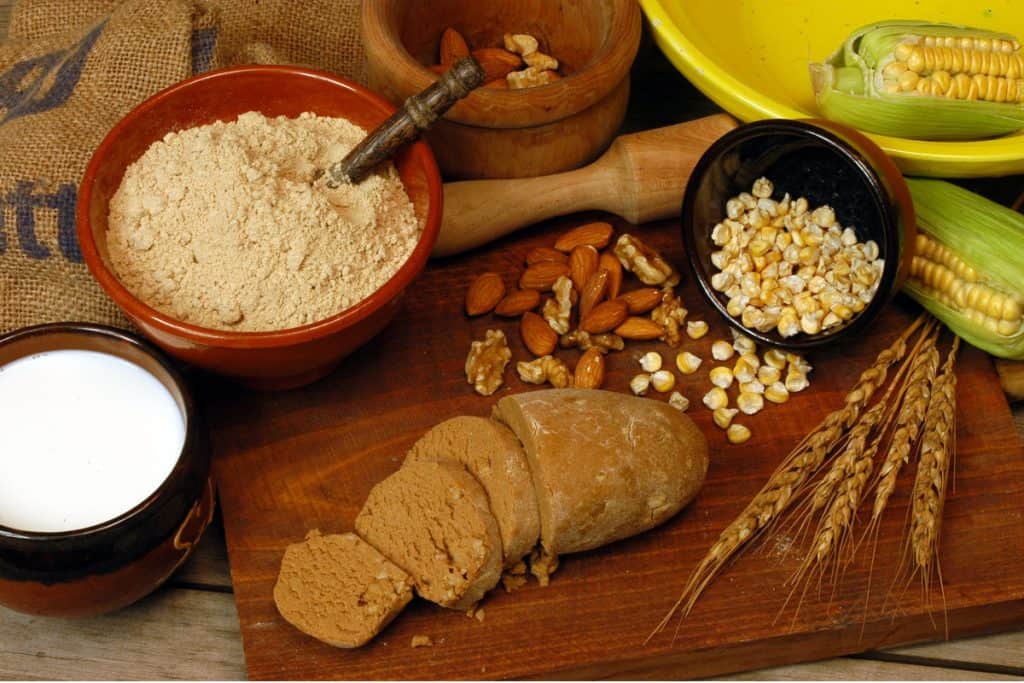
Part of the reason gofio has stood the test of time is its nutritional value. Because it’s made from whole roasted grains, it retains fibre, protein, and essential minerals. It’s also filling – a small scoop goes a long way.
Here’s why it remains a smart addition to the diet:
- High in complex carbohydrates for steady energy
- Naturally low in sugar
- Source of iron, calcium, and B vitamins
- Suitable for vegetarians and often made without additives
For centuries, it’s been a practical solution to a very real challenge: how to stay nourished in a rugged island environment.
Keeping Tradition Alive
What’s remarkable is how gofio has bridged generations. Grandparents who grew up mixing it with milk now watch their grandchildren enjoying gofio desserts in trendy cafés. Local producers have also stepped in to protect its heritage, ensuring that the Denominación de Origen “Gofio Canario” label maintains quality and authenticity.
In small villages, you can still visit mills powered by water or electricity, where the smell of freshly toasted grains fills the air… a scent that instantly says “home” to many Canarians.
A Taste That Tells a Story
Gofio is more than a food; it’s a thread connecting the ancient Guanches to modern-day Tenerife and beyond. It’s a reminder that some of the best flavours aren’t found in fancy restaurants but in the traditions that have quietly endured.
Next time you’re in the Canary Islands, try it – maybe in a bowl of escaldón or sprinkled over local honey. You’ll be tasting history, quite literally.
That’s something worth savouring.

Leave a Reply
You must be logged in to post a comment.