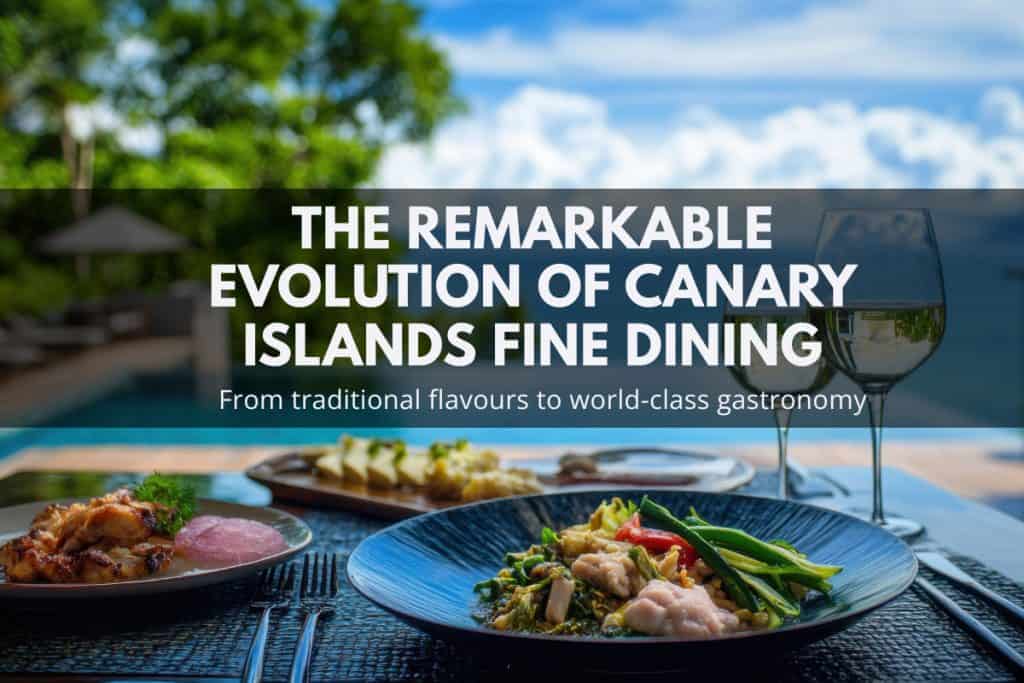
It’s funny how perceptions change. For years, many visitors came to the islands expecting sunshine, beaches, and perhaps a reliable plate of grilled fish. Pleasant, but predictable. Fast forward to today and Canary Islands Fine Dining has become a serious talking point, not just for tourists, but for chefs, food critics, and locals who have watched the transformation happen in real time.
What was once a quiet culinary scene has grown into something confident, creative, and proudly rooted in island identity. And it didn’t happen overnight.
From Traditional Cooking to Modern Gastronomy
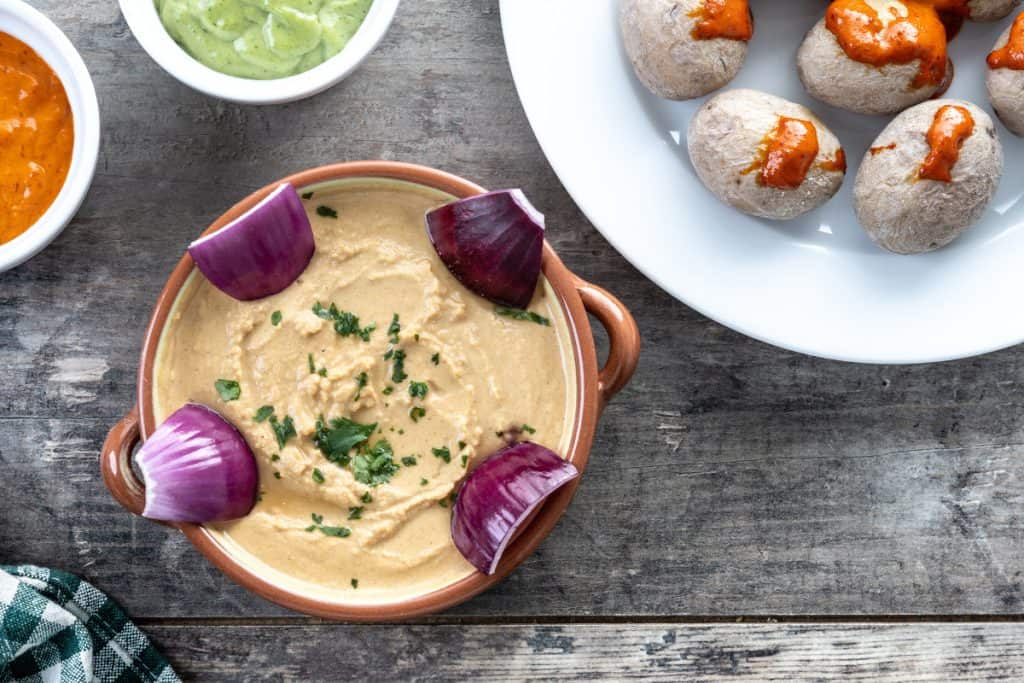
The foundations of fine dining in the Canary Islands are deeply traditional. Local cuisine has always been honest and ingredient-led, even if it wasn’t labelled as gourmet.
Classic dishes such as papas arrugadas with mojo, fresh goat cheeses, and slow-cooked meats formed the backbone of island cooking. What’s changed is how chefs now reinterpret these flavours.
Rather than abandoning tradition, modern Canary Islands gastronomy has refined it. Techniques have evolved, presentation has sharpened, and global influences are carefully woven in without overpowering the local soul.
Canary Islands Fine Dining and Local Ingredients
One of the defining features of Canary Islands Fine Dining is its reliance on local produce. The islands may be volcanic and rugged, but they offer an impressive pantry.
Chefs increasingly source ingredients from nearby farms, fisheries, and vineyards, creating menus that feel grounded and seasonal. This farm-to-table approach is not a trend here. It’s a necessity that has turned into a strength.
You will often find menus featuring:
- Atlantic seafood landed the same day
- Canarian black pork and local goat
- Volcanic wines from Lanzarote and Tenerife
- Tropical fruits grown just a few kilometres away
This focus on provenance has helped elevate the dining experience while supporting local producers at the same time.
The Rise of Michelin-Starred Restaurants
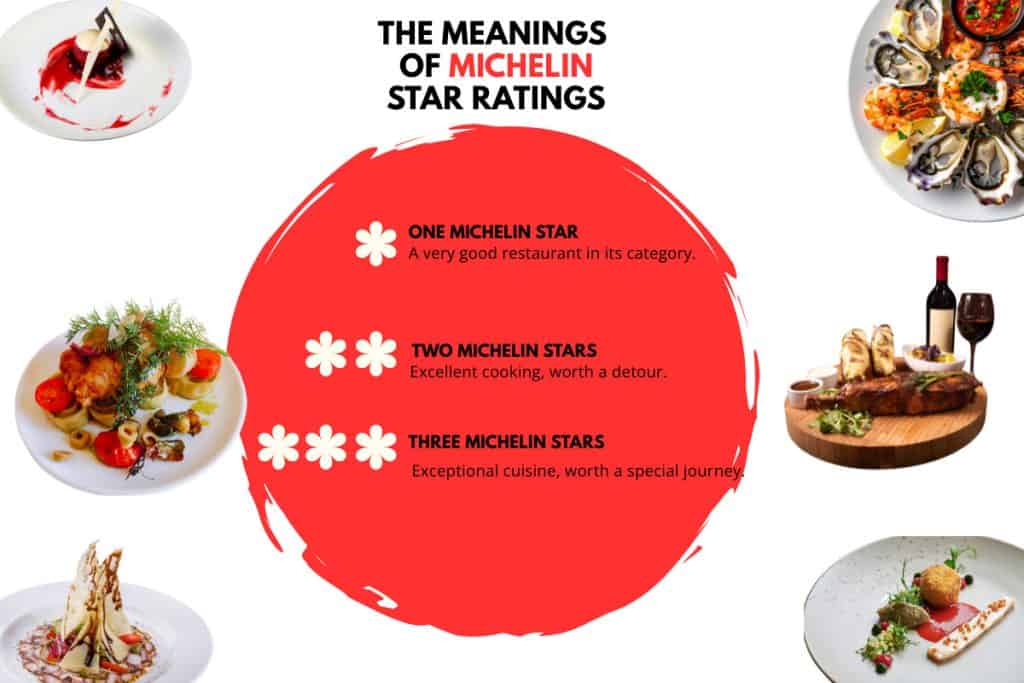
It’s impossible to talk about the evolution of fine dining here without mentioning Michelin recognition. Over the past decade, several Michelin-starred restaurants in the Canary Islands have put the region firmly on the culinary map.
Tenerife, in particular, has become a hotspot for high-end dining, with chefs pushing creative boundaries while staying true to their surroundings. These restaurants attract international diners, but they also serve as inspiration for smaller establishments aiming higher.
Importantly, Michelin stars have brought confidence. They’ve shown that island-based restaurants can compete with mainland Spain and beyond, without losing their identity.
A New Generation of Canarian Chefs
Another key factor behind the transformation is people. A new generation of chefs has returned to the islands after training abroad, bringing skills, ideas, and ambition with them.
These chefs understand modern techniques, but they also respect where they come from. The result is food that feels thoughtful rather than flashy.
Many fine dining restaurants in the Canary Islands now offer tasting menus that tell a story. Each course reflects a landscape, a memory, or a local tradition, often explained tableside in a relaxed and welcoming way.
It’s polished, but never pretentious.
Fine Dining Beyond the White Tablecloth
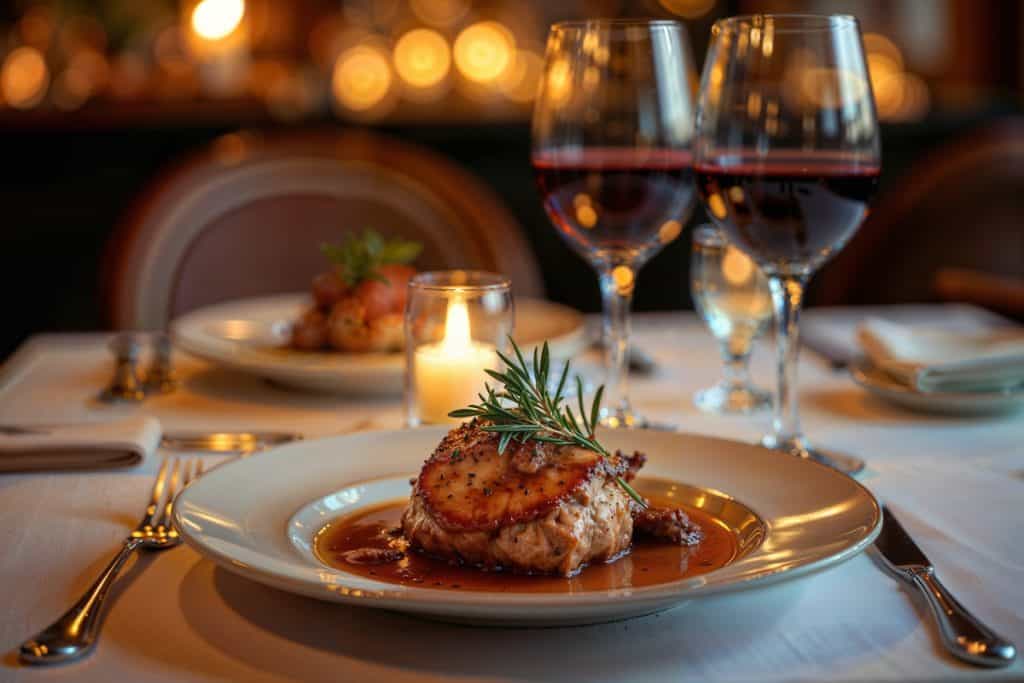
One of the more interesting developments is how the idea of fine dining has broadened. It’s no longer limited to hushed rooms and formal service.
Across the islands, you’ll find chef-led restaurants that feel casual but deliver exceptional food. Quality ingredients, sharp execution, and well-curated wine lists are now expected, not exceptional.
This shift has made high-end dining more accessible, encouraging locals and repeat visitors to explore beyond the usual tourist spots.
Why Canary Islands Fine Dining Keeps Gaining Attention
So why does Canary Islands Fine Dining continue to gain momentum? Part of it is authenticity. Diners are increasingly drawn to places that offer something real rather than manufactured.
The islands offer:
- Distinct landscapes that influence cuisine
- A mix of cultures shaped by history and trade
- A slower pace that allows creativity to flourish
Add year-round tourism and an international audience, and you have the perfect environment for culinary innovation to thrive.
What This Means for Visitors and Food Lovers
For visitors, the message is simple. Eating well in the Canary Islands is no longer a happy accident. It’s something you can actively plan for and look forward to.
Whether you’re booking a Michelin-starred experience or discovering a small tasting menu tucked away in a coastal town, the quality on offer is consistently impressive.
For food lovers, the islands now offer a culinary journey that rivals far more established destinations, with the added bonus of sunshine and sea views.
The evolution of fine dining here reflects a wider confidence across the Canary Islands. Proud of the past, excited about the future, and finally comfortable being recognised for more than just the weather.
If you’re visiting soon, it’s worth building your plans around the table as much as the beach. That’s where some of the most interesting stories are being told.

Leave a Reply
You must be logged in to post a comment.