If you’ve ever wandered through a Tenerife supermarket or open-air market, you’ve probably seen piles of small, golden bananas proudly labelled Plátanos de Canarias. Almost without fail, someone nearby will ask, “Aren’t those just plantains?” This common question sparks the debate of Canarian bananas vs plantains, as many visitors and even new residents aren’t sure what makes these fruits different.
It’s a fair question, and one that deserves a clear answer. In this article, we’ll explain the differences between Canarian bananas and plantains, explore what makes the local bananas unique, and show why they are such a source of pride for the people of the Canary Islands.
What Makes Canarian Bananas Special
The Canarian banana, or plátano canario, has been grown across the islands for more than a century. Thanks to the subtropical climate and rich volcanic soil, the fruit develops a deeper, sweeter flavour than most imported varieties.
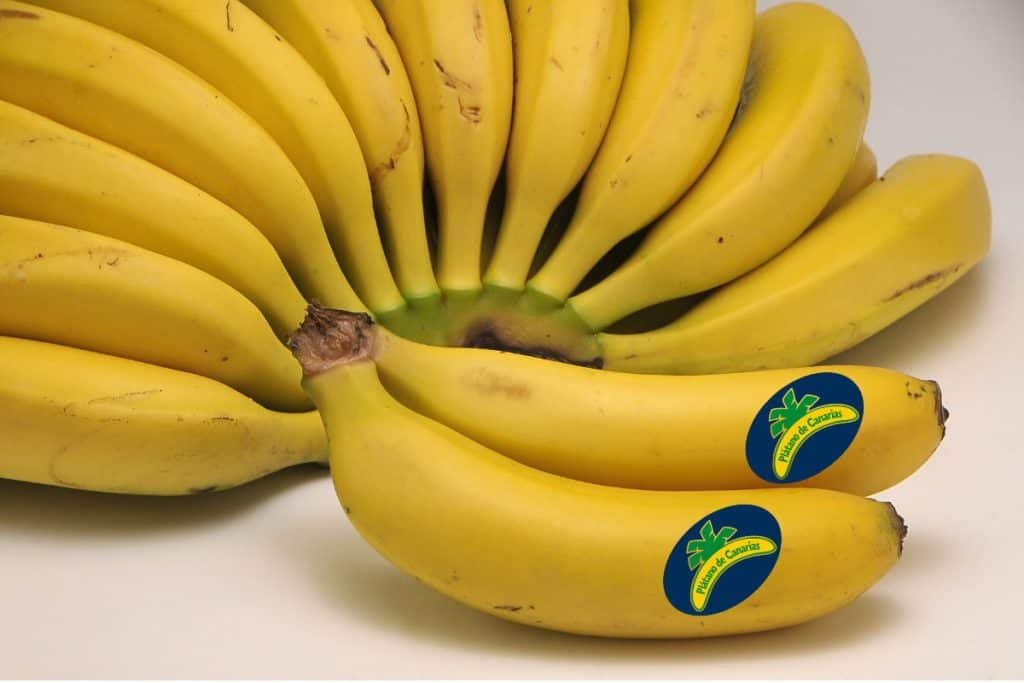
A few quick facts:
- They’re smaller and more curved than the standard Cavendish banana.
- Their skin often shows tiny brown spots – a good sign of ripeness, not damage.
- They’re protected by a PGI (Protected Geographical Indication) label, meaning only bananas grown in the Canary Islands can carry that name.
The banana industry here isn’t just tradition – it’s a cornerstone of the local economy, supporting thousands of jobs across Tenerife, La Palma and Gran Canaria. Drive along Tenerife’s north coast and you’ll see plantation after plantation, green leaves shimmering beside the Atlantic.
The Real Difference Between Bananas and Plantains
So, about those plantains.
Plantains (or plátanos macho in Spanish) belong to the same botanical family as bananas, but they’re a very different variety. They’re larger, starchier, and almost always cooked before eating.
Here’s a quick comparison:
- Texture: Plantains are firm and dense with less sugar.
- Taste: Canarian bananas are naturally sweet; plantains are neutral until cooked.
- Use: Bananas are eaten fresh; plantains are typically fried, baked or boiled.
If you’ve travelled in mainland Spain or Latin America, you’ve probably seen plantains served as tostones or maduros. In the Canary Islands, though, the sweet, ready-to-eat banana takes centre stage.
Why People Mix Them Up
The confusion often starts with the language. In Spain, the word plátano can mean either banana or plantain depending on the region. So when visitors see Plátano de Canarias, they assume it’s a plantain.
Then there’s the look of it. Canarian bananas are shorter, darker and sometimes spotted, so to the untrained eye they might seem overripe. But taste one and you’ll immediately know the difference – the flavour is rich, soft and unmistakably sweet.
It’s got to be said, once you’ve had a proper plátano canario, those supermarket bananas back home feel a bit bland.
A Source of Local Pride
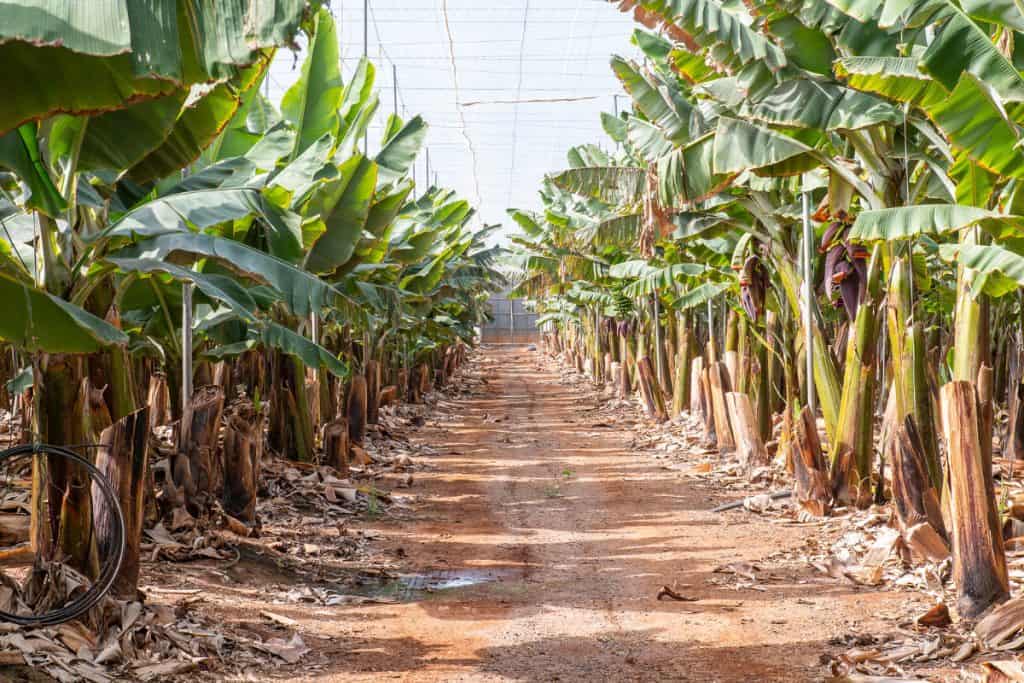
For islanders, the Tenerife banana is more than a fruit – it’s part of the culture. The export trade dates back to the 1800s when ships carried the fruit to mainland Spain and the UK. Today, Plátano de Canarias is one of the most recognised agricultural brands in Spain.
Ask any grower and they’ll tell you why it’s special: volcanic minerals, salty sea breezes and steady sunshine all play their part. Together they give the fruit its unmistakable sweetness and soft texture.
Beyond the taste, banana plantations have shaped the look of the islands themselves. Those bright green terraces stretching along Tenerife’s cliffs are as iconic as Mount Teide.
How to Enjoy Canarian Bananas at Their Best
If you’re visiting or lucky enough to live here, here’s how to make the most of them:
- Buy local: Look for the Plátano de Canarias label for genuine fruit.
- Eat ripe: A few freckles mean full flavour.
- Keep cool: Try them chilled for a mid-morning snack.
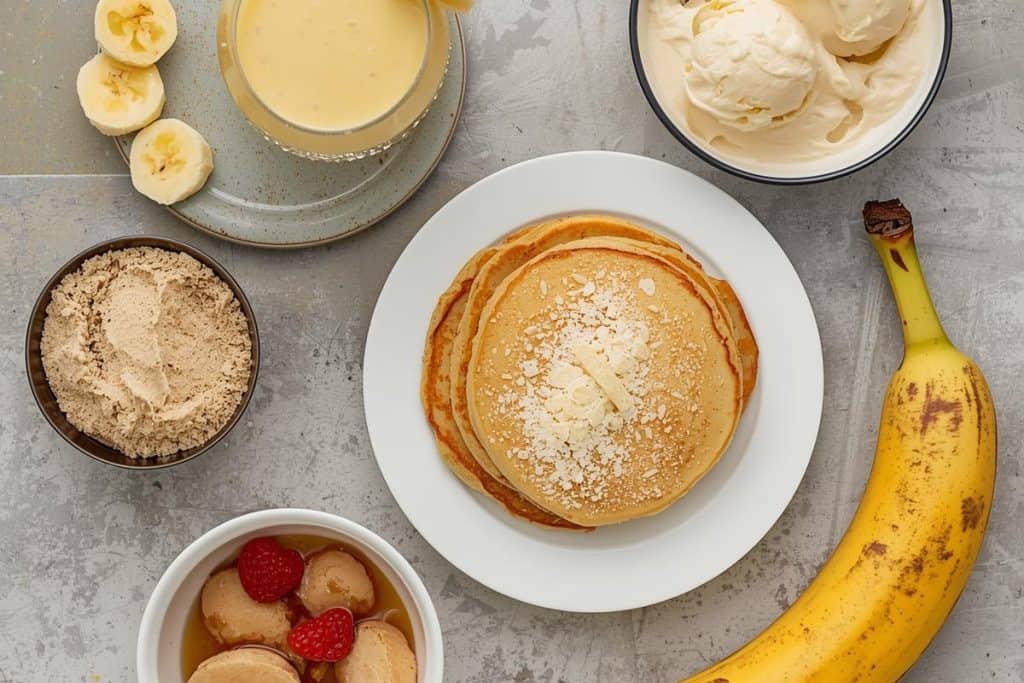
- Get creative: Add them to pancakes, smoothies or drizzle with a little honey rum.
You’ll even find local ice creams, cakes and liqueurs made from these bananas. They’re not gimmicks – they’re a reflection of how deeply this fruit is woven into Canarian life.
Bananas or Plantains – Now You Know
To settle the debate once and for all, Canarian bananas are not plantains. They’re sweeter, softer and entirely unique to the Canary Islands, shaped by the climate and the people who grow them.
Next time you’re in Tenerife, skip the imported fruit and grab a bunch of the local ones. You’ll taste the sunshine, the sea air and the care that’s gone into every bite.

Leave a Reply
You must be logged in to post a comment.