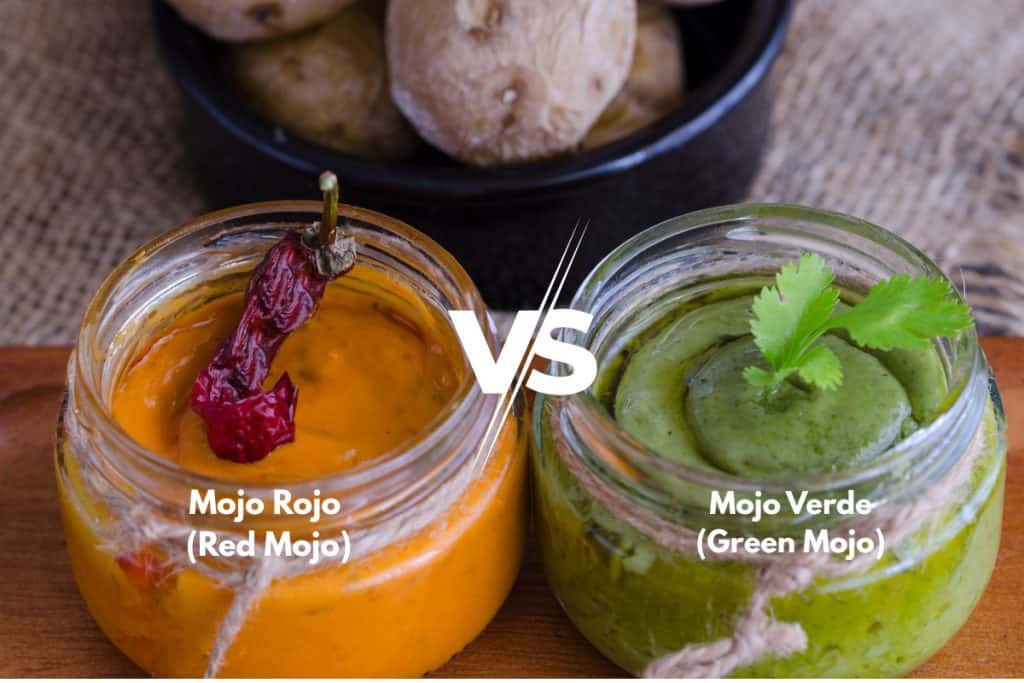
If you’ve ever eaten out in any of the Canary Islands, chances are you’ve met mojo sauce before you even realised it. It’s that little duo (sometimes a trio) of dips that lands on your table before the main course – one fiery red, the other a cool green. Both simple. Both legendary.
But here’s the thing most visitors never find out: there’s more to mojo than meets the eye. Locals debate over which is best, and every grandmother insists hers is the original recipe. The truth? They’re both right, in their own way.
What Exactly Is Mojo Sauce?
At its heart, mojo sauce is the soul of Canarian cooking. You’ll find it everywhere – spooned over grilled fish, drizzled onto chicken, or served with the island’s famous papas arrugadas (wrinkled potatoes). It’s one of those things that seems simple but changes everything on the plate.
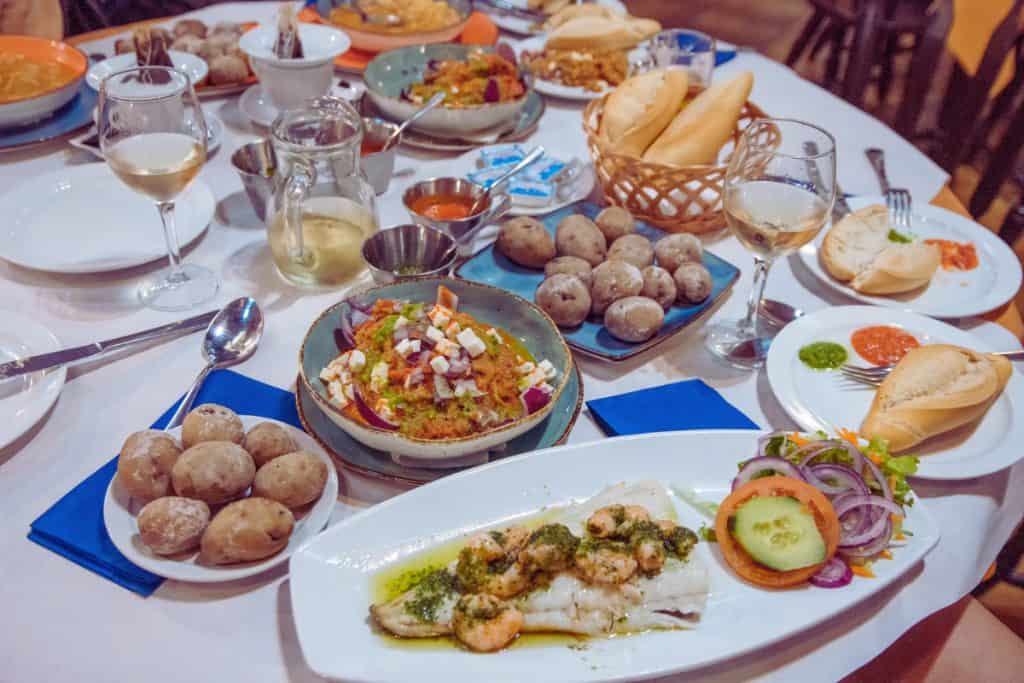
Mojo comes in two main forms:
- Mojo Rojo (Red Mojo) – made with red peppers, paprika, garlic, olive oil, and a little vinegar. Sometimes a touch of chilli for heat.
- Mojo Verde (Green Mojo) – built around fresh coriander or parsley, garlic, olive oil, and vinegar. Lighter, fresher, and perfect with fish.
They’re both built on the same base ingredients, but the balance changes everything. Red is punchy and smoky; green is herbal and bright.
Red vs Green – The Great Canarian Debate
Ask five locals which mojo is best, and you’ll probably get six opinions. Some swear by the red because it reminds them of Sunday family lunches or grilled meat by the sea. Others love the green for its clean taste that cuts through fried fish or salty potatoes.
Here’s the funny part: the red mojo actually changes from island to island. In Tenerife, you’ll often find it spiced up with pimentón picante or even a sneaky bit of chilli. In La Palma, it’s usually smoother and milder. The green version can be parsley-based or coriander-heavy depending on who’s cooking.
It’s one of those foods that connects the islands – a recipe that’s evolved but never really left home.
Making Mojo the Traditional Way
The old-school method? Mortar and pestle. Always. Locals will tell you that blending it ruins the flavour (though most of us cheat and use a food processor now and then). The key is not to rush it.
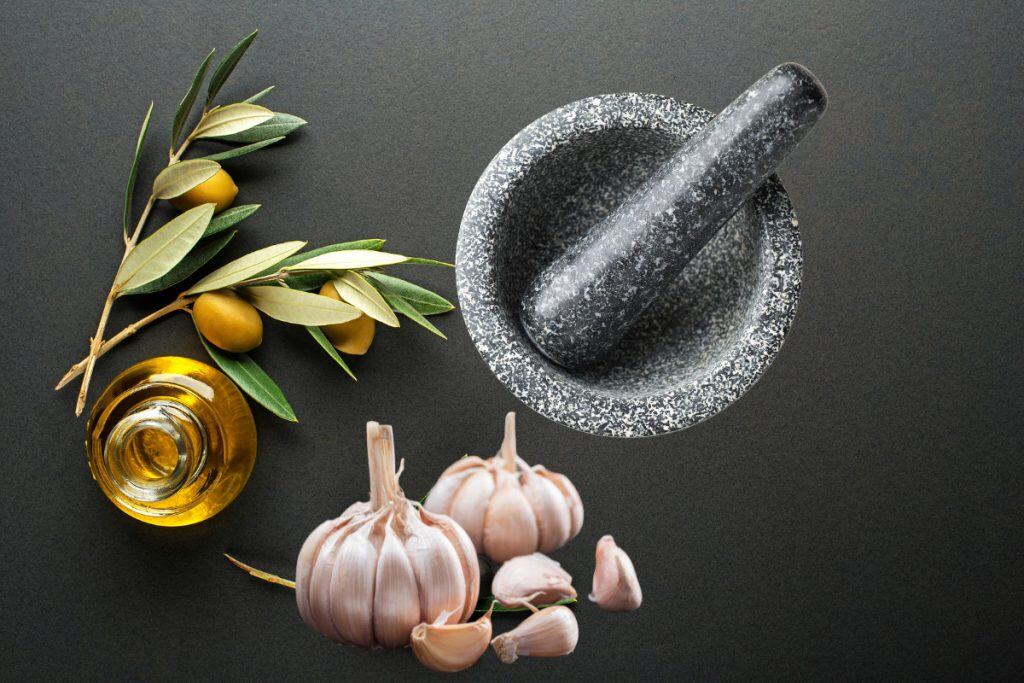
To make your own:
- Crush a few cloves of garlic with coarse salt.
- Add your herbs or spices (depending on red or green).
- Slowly mix in olive oil and vinegar until you’ve got a smooth, thick sauce.
- Taste – and tweak. That’s part of the fun.
It keeps in the fridge for days, though it rarely has to.
The Secret Ingredient
Every good mojo has one thing in common – balance. It’s not meant to be too salty, too vinegary, or too hot. The best mojos make you want another bite of whatever you’re eating.
Some say the real secret is in the Canarian salt or the local olive oil, others insist it’s the rhythm of how it’s made – slow, steady, no shortcuts. Personally, I think the secret is that it’s made with intent. It’s the kind of food that carries memory.
Why It Matters
Mojo sauce is more than a condiment. It’s part of the island’s identity. It tells a story about resourcefulness, simplicity, and pride in local ingredients. You can’t bottle that spirit easily, even though plenty of shops try.
Next time you’re here, take a moment to notice it – how every restaurant has their own version (If I’m honest, some don’t get it right for my own taste buds), how locals talk about it with the same passion Brits reserve for a proper Sunday roast.
And if you’re wondering which is better – red or green – the real answer’s simple: you need both.
That’s it.
A little taste of Tenerife that sums up what makes the islands feel alive on a plate.

Leave a Reply
You must be logged in to post a comment.